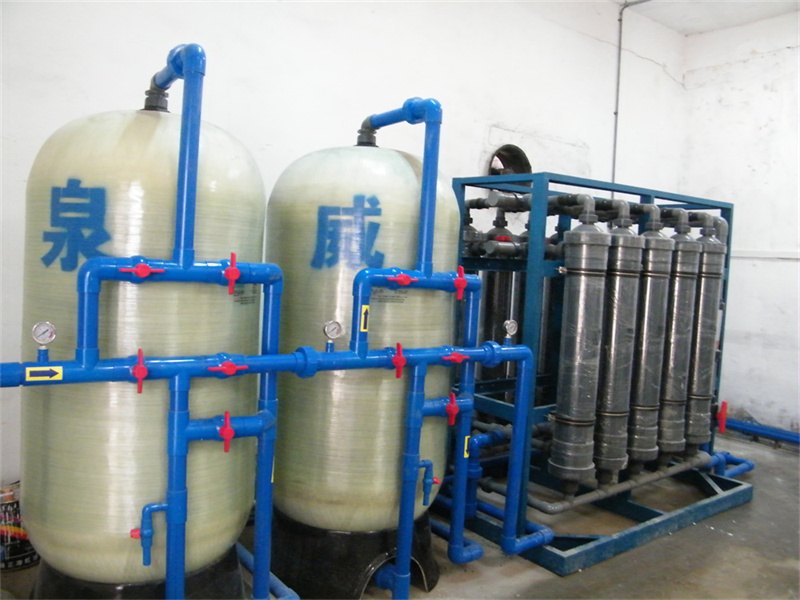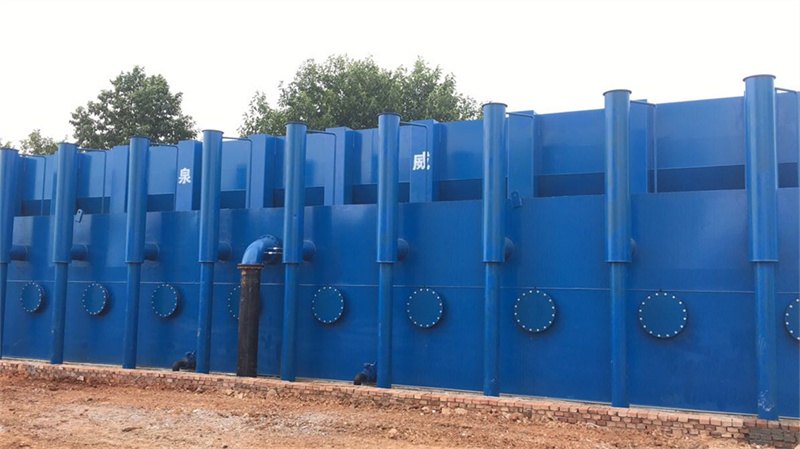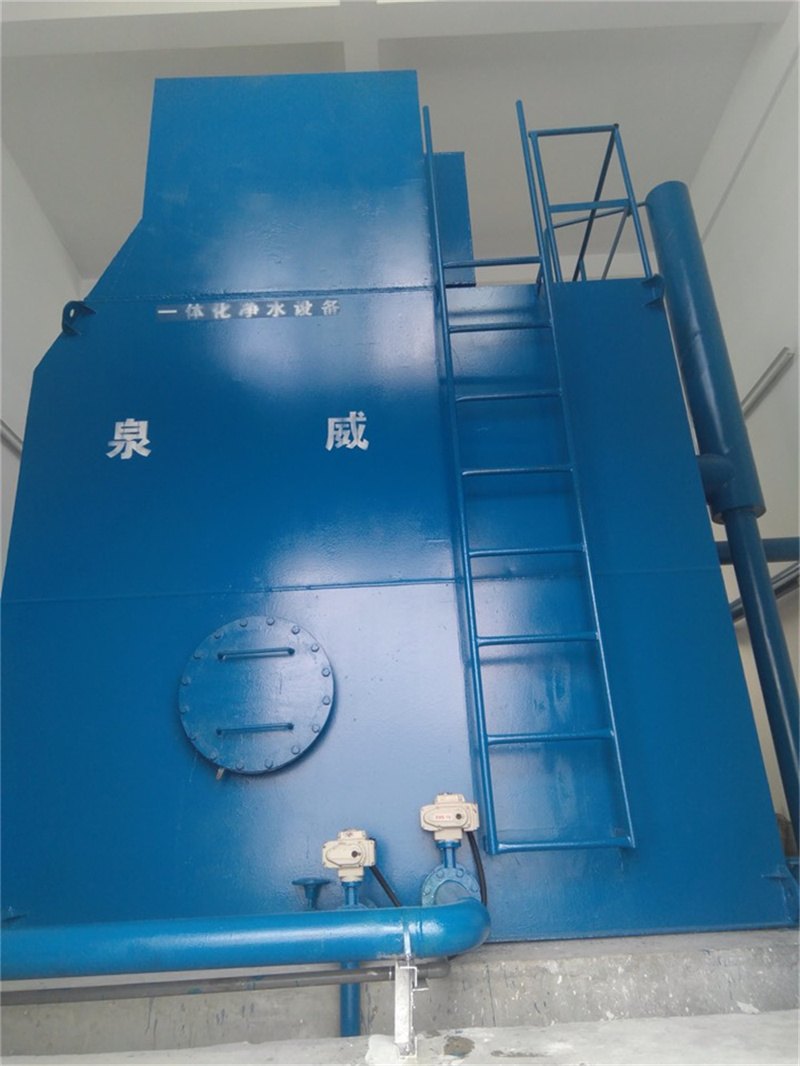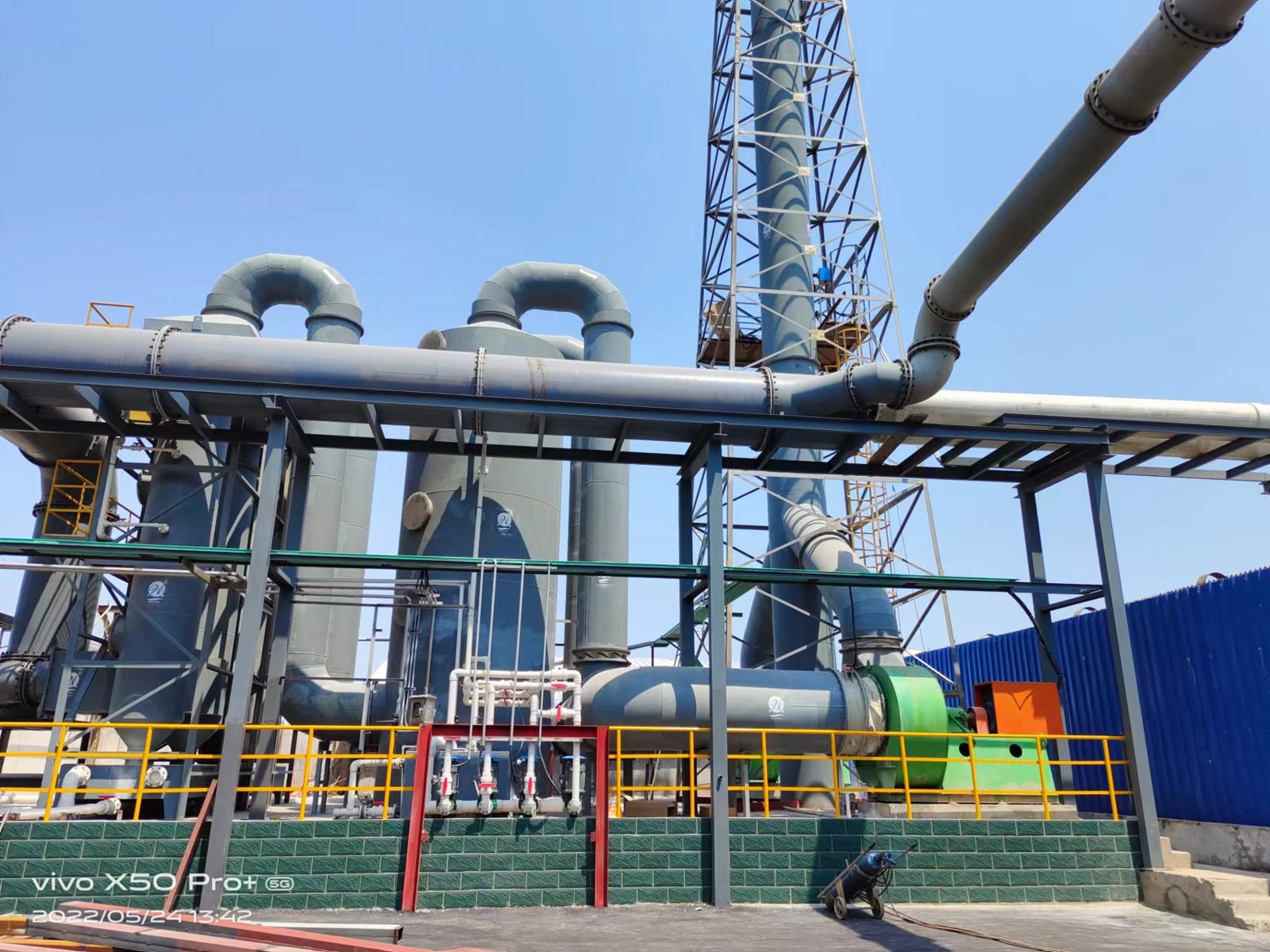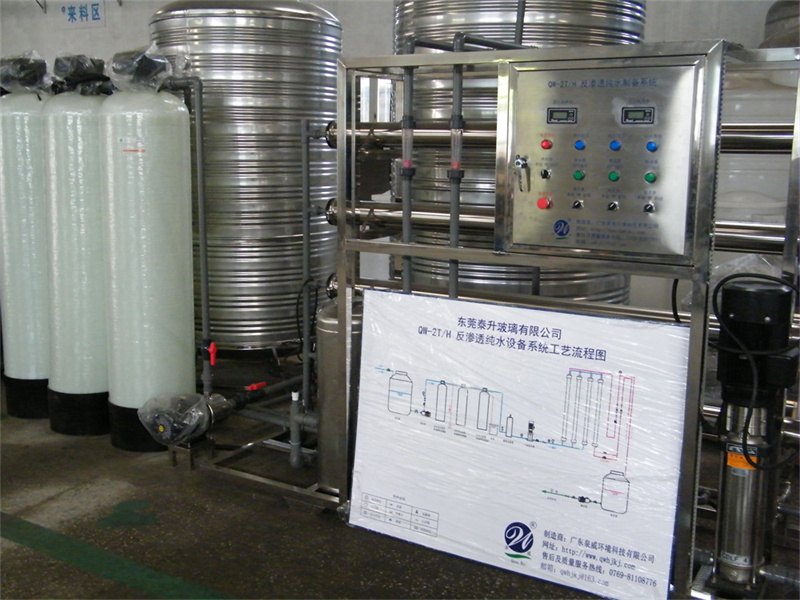
Microfiltration Equipment
- Microporous membrane filtration at 0.1–0.3 MPa.
- Retains particles of 0.1–1 µm: suspended solids, bacteria, colloids.
- Two modes: dead-end filtration and cross-flow filtration.
- Applications: ultrapure water, drinking water, pharmaceuticals, healthcare, food, chemicals.
Overview
Microfiltration, also known as microporous membrane filtration, uses a membrane with very fine pores as the filter medium. At 0.1–0.3 MPa, the membrane retains particles of 0.1–1 µm. High-molecular-weight organic compounds and inorganic salts can pass through the membrane, while suspended solids, bacteria, some viruses and larger colloidal particles are retained. The operating transmembrane pressure is typically around 0.7 bar.
Membrane Materials
Microfiltration membranes fall into two groups by material:
- Organic membranes: cellulose acetate, polypropylene, polycarbonate, polysulfone, polyamide…
- Inorganic membranes: ceramic, metal, sintered metal (such as stainless steel), aluminum oxide, glass, silicon dioxide…
Working Principle
- Sieving: The filter element retains particles equal to or larger than the membrane pore size. This mechanism is also known as mechanical retention.
- Adsorption: The membrane retains particles through physicochemical interactions, including some particles smaller than the pores.
- Bridging: Particles accumulate and crowd at the pore openings or inside the pores, forming a barrier layer and being retained.
Operating Modes
- Dead-end filtration: The feed flows perpendicular to the membrane surface. Under pressure, the solvent and solute particles smaller than the pores pass through; larger particles are retained and usually accumulate on the surface. As the cake layer builds up, membrane permeability drops, requiring a stop for cleaning or membrane replacement.
- Cross-flow filtration: The feed flows parallel to the membrane surface. The flow creates shear that sweeps part of the retained material back into the main stream, reducing membrane fouling and sustaining a high permeate flux for longer.
Scope of Application
Microfiltration equipment is used for final filtration of ultrapure water in microelectronics, pretreatment of industrial feedwater, drinking water treatment, and detection of ultrafine impurities in biomedical and high-tech research.
- Water treatment: Removes suspended solids, fine particles and bacteria.
- Electronics, semiconductors: Final treatment of ultrapure water and rinse water for microchips.
- Pharmaceuticals: Sterilization and pyrogen removal in medical-grade purified water, and sterilization of pharmaceuticals.
- Healthcare: Removes bacteria from tissue fluids, antibiotic solutions, serum, plasma protein solutions…
- Food: Removes suspended matter, microorganisms, odor-causing impurities, yeast and mold from beverages, wine, soy sauce, vinegar…; clarifies fruit juices.
- Chemical industry: Filtration and clarification of chemicals.
| Product Name | Microfiltration Equipment |
|---|---|
| Brand | Quanwei – Guangdong Quanwei Environmental Technology Co., Ltd. |
| Operating Pressure | 0.1–0.3 MPa |
| Retained Particle Size | 0.1–1 µm |
| Transmembrane Pressure | Approx. 0.7 bar |
| Membrane Material | Organic (cellulose acetate, PP, PC, PSF, PA…) or inorganic (ceramic, sintered metal, aluminum oxide…) |
| Operating Mode | Dead-end / cross-flow filtration |